In our cluttered, consumption-driven world, two ancient concepts have quietly merged to offer modern seekers a path toward intentional living: Stoicism and minimalism. While minimalism focuses on reducing physical possessions, Stoicism provides the philosophical foundation that makes this lifestyle not just sustainable but deeply fulfilling.
The Philosophical Roots of Modern Minimalism
Stoicism, founded in ancient Athens around 300 BCE, teaches us to focus on what we can control while accepting what we cannot. This fundamental principle naturally leads to questioning our relationship with material possessions. When Marcus Aurelius wrote about the impermanence of worldly things, he was essentially laying the groundwork for what we now call minimalist thinking.
Today’s minimalists often discover that their desire to declutter stems from deeper philosophical questions: What truly matters? How much is enough? These are quintessentially Stoic inquiries that have found new relevance in our age of endless consumption.
Core Stoic Principles That Drive Minimalist Living
1. The Dichotomy of Control
The Stoic concept of focusing only on what we can control revolutionises how we approach possessions. We cannot control market trends, the latest gadgets, or societal pressure to accumulate. But we can control our responses to these external forces and our choices about what to bring into our lives.
This principle helps minimalists resist impulse purchases and consumer pressure. Instead of feeling deprived when choosing not to buy something, Stoic-influenced minimalists feel empowered by exercising their agency over their environment.
Learn more during the 3-day Stoic Course.
2. Preferred Indifferents
Stoics categorised external things as “indifferent” – neither inherently good nor bad. A smartphone, designer clothes, or expensive car are tools that can be used well or poorly, but they don’t determine our happiness or virtue.
This perspective liberates modern minimalists from both the guilt of ownership and the anxiety of not having enough. Your worth isn’t measured by your possessions, nor is your happiness dependent on acquiring more.
3. Memento Mori and Impermanence
The Stoic practice of remembering death (memento mori) naturally leads to questioning what’s truly important. When we regularly contemplate life’s brevity, the impulse to accumulate material goods for their own sake begins to fade.
Many minimalists report that decluttering feels like preparation, not for death, but for life. By removing the excess, they create space for experiences, relationships, and personal growth that align with their deeper values.

How Stoicism Enhances Minimalist Practice
Emotional Resilience During Decluttering
Letting go of possessions can trigger unexpected emotions. That box of college textbooks represents our past selves; those “someday” clothes embody our aspirations. Stoicism provides tools for processing these feelings without being overwhelmed by them.
The Stoic practice of negative visualisation – imagining loss – actually makes decluttering easier. When we’ve already mentally prepared for not having something, physically letting it go becomes less emotionally charged.
Sustainable Minimalism Through Virtue Ethics
Unlike trends that come and go, Stoic-influenced minimalism isn’t about achieving a perfect aesthetic or hitting a specific number of possessions. It’s about aligning your external environment with internal values like wisdom, justice, courage, and temperance.
This virtue-based approach makes minimalism sustainable because it’s driven by character development rather than external validation. You’re not minimalist because it looks good on Instagram; you’re minimalist because it helps you become the person you want to be.
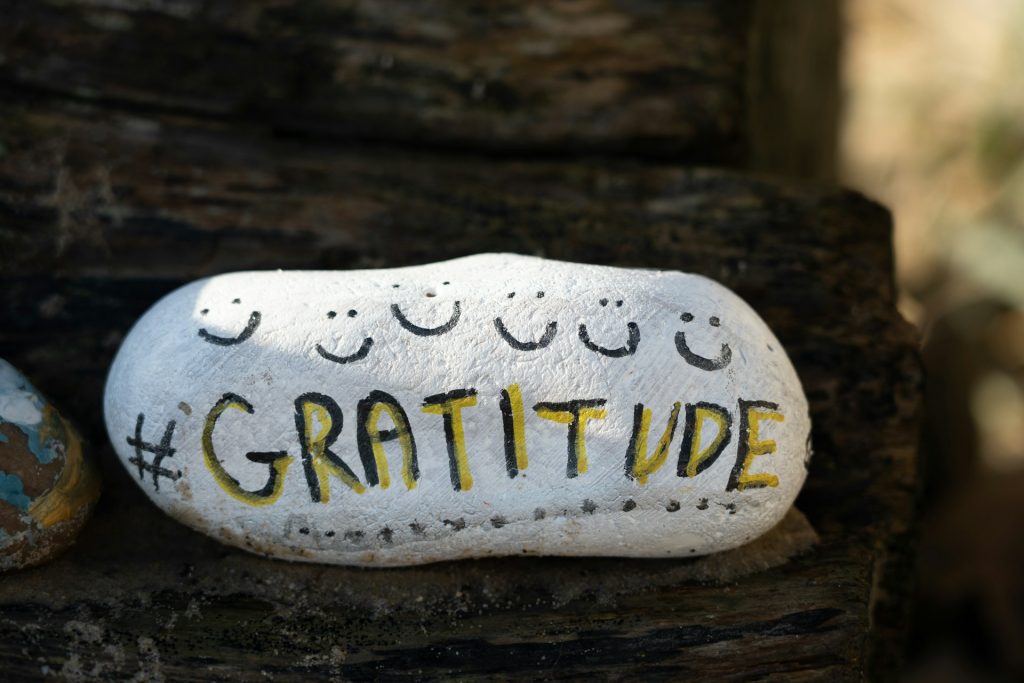
Gratitude and Present-Moment Awareness
Stoics practised daily gratitude, often focusing on simple pleasures and basic necessities. This practice naturally complements minimalist living by fostering appreciation for what you have rather than craving what you lack.
When you truly appreciate your morning coffee, the comfort of your bed, or the functionality of your few carefully chosen tools, the desire for more diminishes. Stoicism teaches us that contentment comes from within, not from external accumulation.
Practical Applications for Modern Minimalists
The Stoic Decluttering Method
Before deciding whether to keep an item, ask these Stoic-inspired questions:
- Does this serve my authentic values or just my ego?
- Am I keeping this out of fear (scarcity mindset) or wisdom?
- Would losing this genuinely impact my ability to live virtuously?
- Is this possession controlling me, or am I controlling it?
Buying Decisions Through a Stoic Lens
Before making purchases, especially larger ones, practice Stoic reflection:
- Will this purchase align with my values in five years?
- Am I buying this to solve an external problem or an internal one?
- Can I achieve my goal without this purchase?
- Am I prepared to lose this item without losing my peace of mind?
Creating Stoic Rituals in Minimalist Spaces
Your simplified environment becomes a perfect setting for Stoic practices. A decluttered bedroom supports better sleep and morning reflection. A minimal workspace reduces distractions during journaling or meditation. Clean surfaces and open spaces naturally invite contemplation.

The Deeper Benefits of Stoic Minimalism
Mental Clarity and Focus
When external distractions decrease, internal clarity increases. Stoic minimalists often report improved decision-making, better focus on important goals, and reduced anxiety about material concerns.
Financial Freedom and Security
Stoicism’s emphasis on self-sufficiency pairs perfectly with minimalist spending habits. Lower expenses and reduced consumer debt create the financial foundation for pursuing meaningful work and experiences.
Stronger Relationships
With less energy devoted to managing possessions, more attention flows toward relationships. Stoic virtues like justice and kindness become easier to practice when you’re not overwhelmed by material concerns.
Environmental Alignment
The Stoic concept of living according to nature extends to environmental consciousness. Consuming less, wasting less, and choosing quality over quantity creates harmony between personal philosophy and planetary health.

Common Misconceptions and Balanced Perspective
Stoic minimalism isn’t about deprivation or asceticism for its own sake. Stoics weren’t opposed to comfort or beauty; they were opposed to being controlled by the desire for these things.
The goal isn’t to own as little as possible, but to own with intention. A Stoic minimalist might choose one high-quality, beautiful item over several cheap alternatives – not from materialism, but from appreciation for craftsmanship and long-term thinking.
Building Your Own Stoic Minimalist Practice
Start small and focus on the philosophical foundation rather than dramatic external changes. Begin with daily reflection on your relationship with possessions. Notice when you feel compelled to buy, keep, or display things for reasons that don’t align with your deeper values.
Read primary Stoic texts like Marcus Aurelius’s “Meditations” or Epictetus’s “Discourses” alongside modern minimalist authors. The combination provides both philosophical depth and practical guidance.
Most importantly, remember that both Stoicism and minimalism are practices, not destinations. The goal isn’t perfection but progress – becoming slightly more intentional, slightly more content, and slightly more aligned with your authentic values each day.

Living with Intention in a Material World
The intersection of Stoicism and minimalism offers more than just a tidier home or simplified wardrobe. It provides a framework for navigating modern life with ancient wisdom, finding contentment amid abundance, and focusing on what truly matters in an age of infinite distractions.
By embracing both the internal work of Stoic philosophy and the external practice of minimalism, we create lives of greater meaning, deeper satisfaction, and authentic freedom. In a world that profits from our dissatisfaction and endless wanting, this combination of ancient wisdom and modern practice becomes not just personal preference, but radical resistance.
The minimalist removes the excess; the Stoic finds peace with what remains. Together, they create space for the life you actually want to live.